Why Homeowners Choose Cottonwood Heights best Deck Builder
Bespoke Deck Designer for Your Ideal Outdoor Area
A custom deck can transform a standard yard into a private oasis. It serves not only as a aesthetic enhancement but also boosts equity to the property. Professional craftsmen understand the intricacies of planning, selecting materials, and functionality. They can create environments that cater to individual lifestyles. However, picking the ideal contractor and components can be challenging. As residents consider their possibilities, what vital features should they emphasize in their bespoke deck layout?
Consider the Advantages of a Made-to-Order Deck
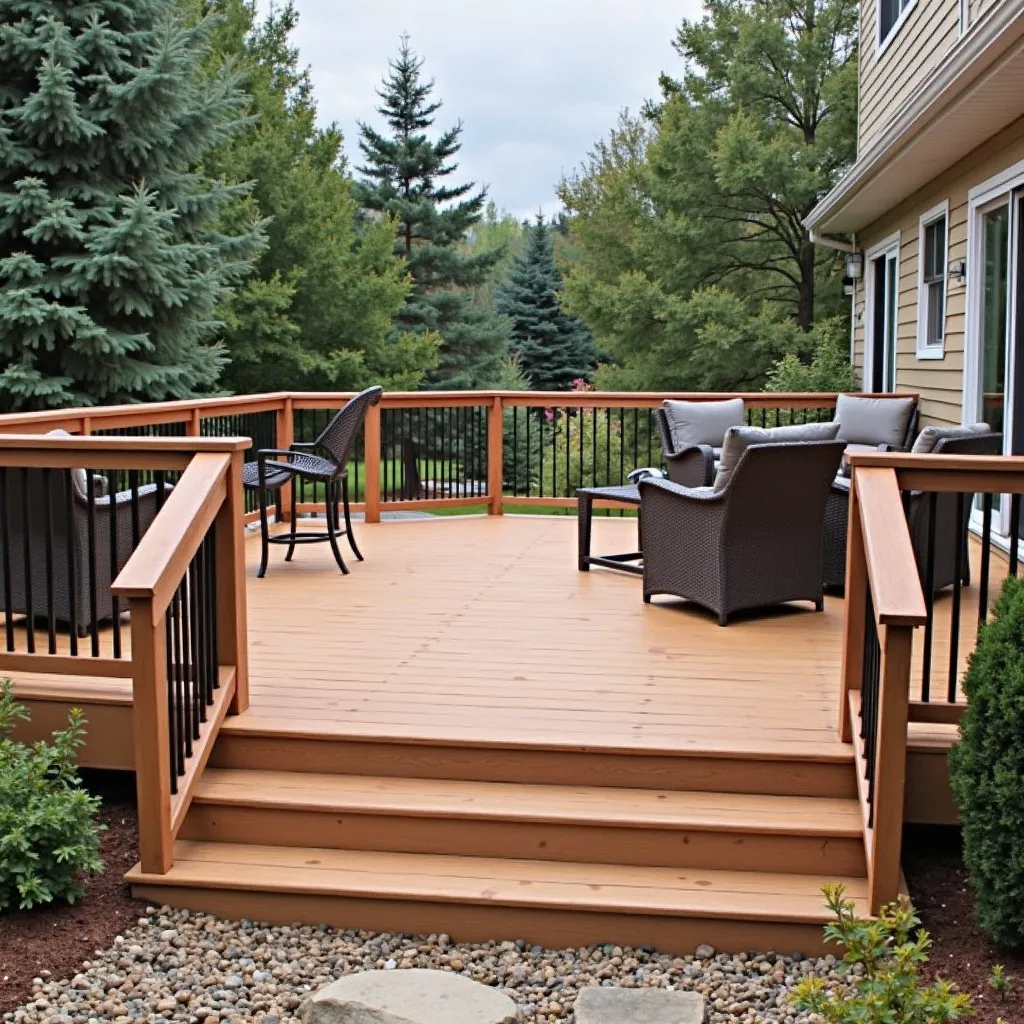
The magnetism of a custom deck holds in its scope to transform outdoor spaces into personalized retreats. Homeowners consistently seek a unique outdoor area that mirrors their style and meets specific needs. A custom deck can cater to various functions, whether it is for greeting visitors, enjoying quiet moments, or facilitating family gatherings. This tailored approach allows for consideration of size, shape, and materials that harmonize with the existing landscape and architecture.
Furthermore, a custom deck enhances property value, making it a compelling investment for homeowners. The design flexibility can accommodate features like integrated seating, planters, or even outdoor kitchens, further improving the outdoor experience. Additionally, the opportunity to personalize allows individuals to design a space that aligns with their lifestyle, ensuring that the deck is not just an addition to the home but a essential component of daily life, fostering connection with nature and loved ones.
Primary Traits for Your One-of-a-Kind Deck Format
When planning a bespoke decking installation, selecting the suitable materials is important for durability and aesthetics. Additionally, assessing design functionality ensures that the space addresses the resident's expectations and enhances usability. Together, these aspects markedly impact the final outcome of the bespoke decking installation project.
The critical nature of selecting quality materials
Choosing the right materials is crucial for a custom deck design, as it directly affects both aesthetics and durability. The choice between wood, composite, and PVC can greatly impact the overall look and longevity of the deck. Natural wood offers charm and elegance but requires regular upkeep to prevent rot and weathering. In contrast, composite materials provide a more durable option, resisting fading and staining while requiring less care. Additionally, environmentally friendly choices are becoming increasingly popular, appealing to homeowners focused on sustainability. The material selected also impacts costs, with each type presenting different price points. Ultimately, thoughtful material selection contributes to a deck that not only complements the outdoor space but also stands the test of time.
Design Functionality Aspects
Designing a custom deck demands careful consideration of functionality to optimize its use and delight. Crucial components should consist of distinct spaces for meals, sitting, and socializing, confirming that each area serves its task efficiently. Adding built-in seating can enhance area utilization, while railings and lighting improve safety and atmosphere. Consideration of ease of access is vital, particularly for households or company with mobility impairments; inclines or spacious paths can assist ease of movement. In addition, integrating storage solutions for outdoor furniture and items helps keep a tidy environment. Ultimately, a carefully planned deck should smoothly integrate style with useful aspects, making an inviting outdoor setting that serves the owner’s lifestyle and inclinations.
Choosing the Best Deck Builder Suited to You
How does one choose the ideal deck builder for their project? Choosing the right deck builder requires careful consideration of several elements. First, prospective homeowners should assess the builder's experience and skill in building custom decks. A builder with a strong body of work showcases their capability and approach. Additionally, reading client testimonials and testimonials offers insights into the builder's dependability and quality of work.
An additional crucial consideration is confirming licenses and protection. A reputable deck builder should obtain the required permits and insurance to secure both the client and the builder during the project. Likewise, obtaining multiple quotes allows clients to weigh pricing and services, guaranteeing they receive the best value for their investment.
To conclude, clear communication is important. A builder who attends to the client's requirements and offers suggestions nurtures a collaborative environment, in the end achieving a successful deck construction journey.
Important Topics for Your Deck Builder?
After identifying the right deck builder, clients should prepare a set of key questions to guarantee all aspects of their project are thoroughly addressed. Essential inquiries include the builder's background and past projects, which help evaluate their expertise. Clients should also ask about the materials employed, ensuring they align with their preferences for durability and aesthetics.
Asking about the timeframe is vital; comprehending how long the deck construction will take helps clients plan accordingly. Clients should also consider warranties and post-construction services, including maintenance options. It's important to clarify the process for procuring necessary permits and whether the builder will handle this task.
Furthermore, clients should explore the contractor's communication style and responsiveness throughout the project. A transparent dialogue fosters a teamwork environment. These important inquiries will provide clarity, guaranteeing a successful partnership and a well-executed deck that improves the backyard area.
Planning Your Financial Plan for a Custom Deck
When evaluating a personalized deck, grasping the financial plan is essential for property owners. Creating a clear financial plan allows for informed decisions concerning materials, dimensions, and aesthetic elements. Homeowners should begin by calculating their total financial allocation, considering factors such as available loan opportunities and existing savings.
Next, they should examine the expenses related to different materials, such as wood, composite, or PVC. Each option differs in price and longevity, affecting both initial investment and long-term maintenance costs.
Furthermore, labor expenditures should be included, including retaining a professional builder versus DIY efforts. Homeowners must also review potential permits and inspections that may happen during construction.
Tips for Preserving Your Custom-Built Deck
Keeping a bespoke deck in good condition requires habitual attention to guarantee its life and charm. Homeowners should begin by washing the deck regularly to remove dust, debris, and mold. A light scrub with soap and water, or a specialized deck cleaner, usually suffices. It is also vital to check the deck for any signs of wear, such as loose boards or rusted nails, which need to be addressed promptly to avoid further damage.
It is important to seal the deck every few years to protect it from humidity and sun damage. Because different materials may require specific sealants, consulting with a professional can be beneficial. Additionally, consistent sweeping and removing snow or debris in winter will help maintain its integrity. Lastly, placing furniture pads under bulkier items can prevent scuffs and dents, maintaining the deck's pristine appearance. Consistent maintenance assures the deck remains a beautiful and functional outdoor space for years to come.
Frequently Requested Questions
How Much Duration Does Constructing a Bespoke Deck Typically Require?
Typically, creating a custom deck needs about one to three weeks, subject to the design complexity, materials chosen, and weather conditions. Thorough planning and preparation can accelerate the process, ensuring punctual completion.
What Materials Are Best for Different Climates?
Wood options like cedar flourish in temperate climates, while composite materials withstand moisture in damp areas. In regions with extreme temperatures, aluminum delivers durability, and treated lumber provides protection against insects and weathering.
Can I Integrate Features In the Future, Like Lights or Seats?
Yes, extra components like lighting or seating can be integrated at a future time. A thoughtfully planned design see more enables for future changes, ensuring adjustability to evolving needs and upgrading the complete usability and visual character of the space.
Do Permits Need to be Obtained for Made-to-Order Deck Construction?
Yes, authorizations are usually mandatory for tailored deck assembly. Regulations vary by locality, so it's essential for house owners to check with community officials to guarantee compliance with zoning laws and building codes before launching the initiative.
How Do I Select the Right Deck Shade and Treatment?
Deciding on the ideal deck color and finish involves considering the home's exterior, nearby environment, and individual preference. Samples need to be examined in varying light conditions, guaranteeing the final choice complements the overall visual appeal while delivering durability.